


About Lab Grown Diamonds

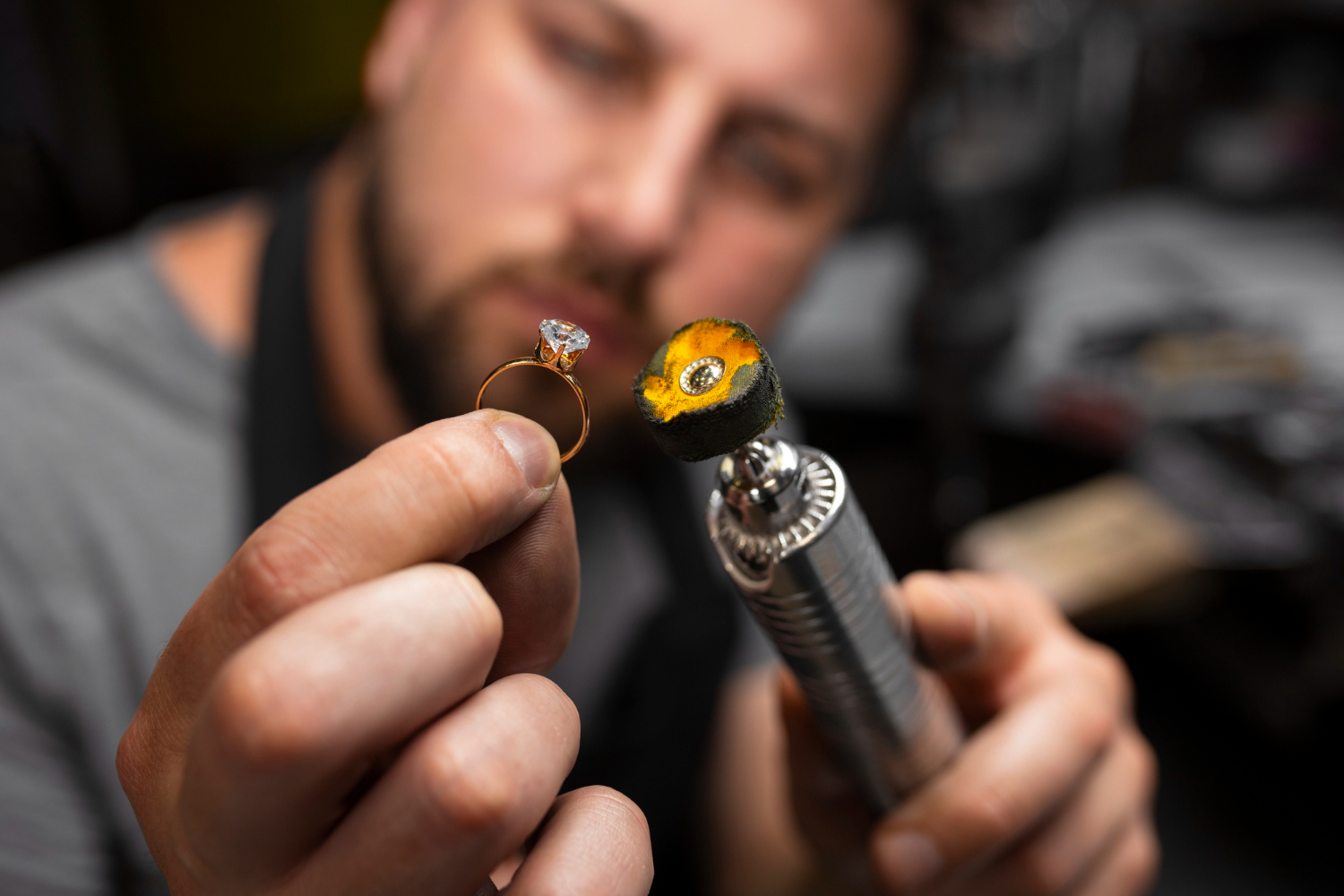
Lab grown diamonds are genuine diamonds created using advanced technological processes that replicate the natural conditions under which diamonds form in the Earth. Unlike simulants such as cubic zirconia or moissanite, lab grown diamonds share the same chemical composition (pure carbon), crystal structure, hardness, and brilliance as mined diamonds. Even professional gemologists require specialized equipment to distinguish them.
There are two primary methods used to create lab grown diamonds: Chemical Vapor Deposition (CVD) and High Pressure High Temperature (HPHT). Both processes produce diamonds that are indistinguishable from natural ones to the naked eye. These methods allow precise control over growth conditions, resulting in consistent quality and fewer inclusions.
One of the defining characteristics of lab grown diamonds is traceability. Each stone can be tracked from creation to final setting, ensuring authenticity and ethical sourcing. Most lab grown diamonds are also graded and certified by reputable gemological laboratories, providing consumers with the same level of confidence as mined diamonds.
From a visual and performance standpoint, lab grown diamonds exhibit the same fire, brilliance, and durability as natural diamonds. They score a 10 on the Mohs hardness scale, making them suitable for everyday wear. This makes them ideal for engagement rings, wedding bands, and heirloom-quality jewelry.
As consumer awareness increases, misconceptions are fading. Lab grown diamonds are not “fake” or inferior; they are a scientific achievement that delivers the same luxury experience with added benefits. They represent a shift toward conscious consumption while preserving the timeless allure of diamonds.